
Understanding B2B Lead Generation Challenges
Manual lead hunting ranks low in efficiency. Discover why traditional methods struggle against today's competitive market.
Understanding B2B Lead Generation Challenges
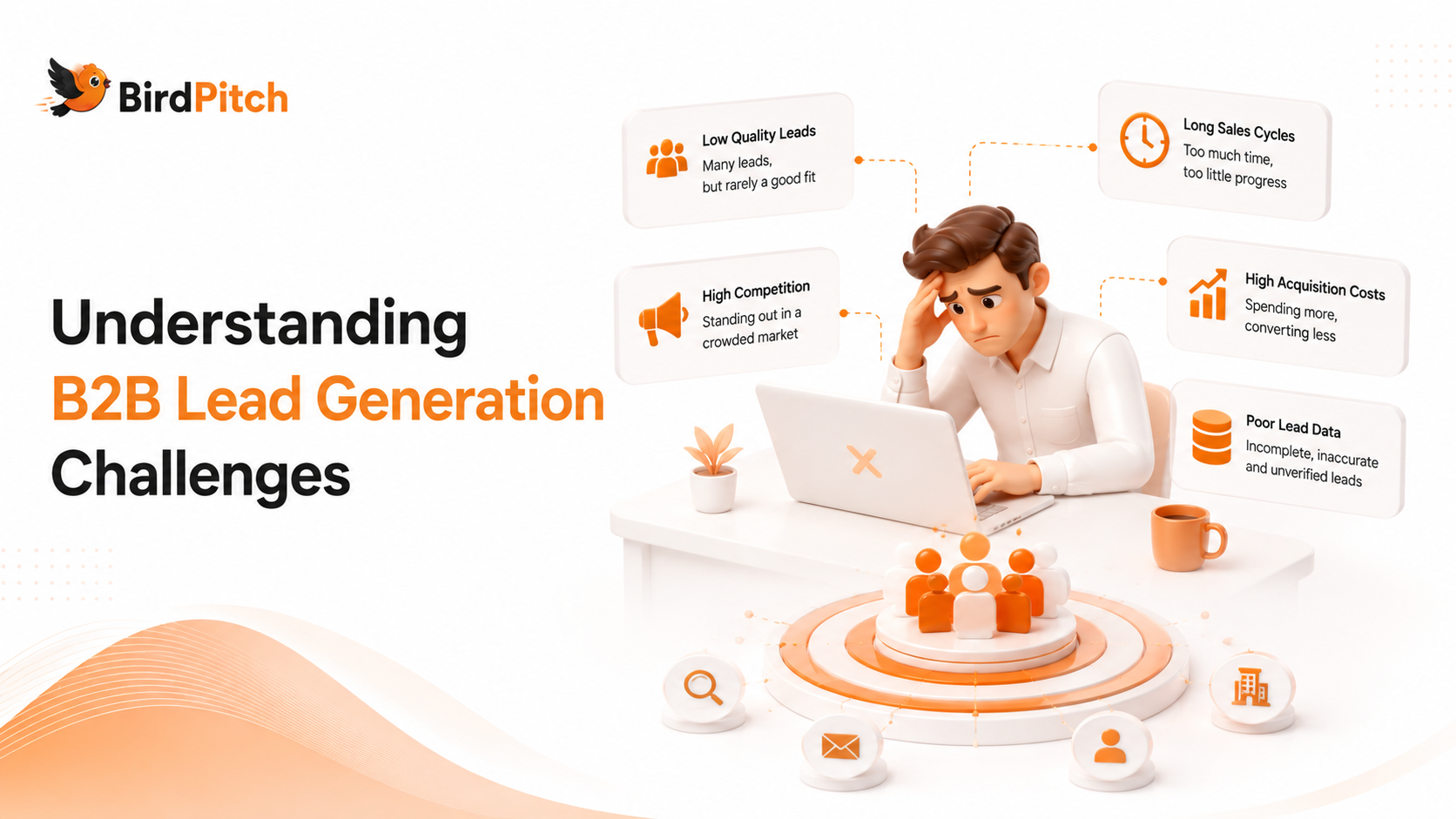
B2B lead generation is no longer a straightforward process of cold calling or sending generic emails. Today, businesses face a complex landscape where decision-makers are overwhelmed by information, competition is fierce, and the lines between marketing and sales are increasingly blurred. According to a recent study, 68% of B2B marketers report that generating high-quality leads is their biggest challenge, often due to fragmented data, misaligned strategies, or a lack of personalization. Understanding B2B lead generation challenges is critical for businesses aiming to cut through the noise and convert prospects into loyal customers. Whether you’re a SaaS founder, a marketing manager, or a sales leader, addressing these challenges requires a shift from traditional methods to more data-driven, scalable approaches.
Key Strategies
To navigate the modern B2B lead generation landscape, businesses must adopt strategies that prioritize efficiency, relevance, and scalability. One of the most effective approaches is leveraging data to identify high-intent prospects. This involves analyzing customer behavior, tracking engagement metrics, and using tools to segment audiences based on their needs and pain points. For example, companies that use AI-driven tools to monitor social media conversations can uncover valuable insights about what resonates with their target audience. Another key strategy is personalization at scale. Generic outreach often fails because it doesn’t address the specific challenges of the recipient. Tools that automate personalized replies—like those powered by natural language processing—can help businesses craft tailored messages without sacrificing quality.
A third strategy is aligning sales and marketing teams around shared goals. Siloed operations can lead to wasted resources and missed opportunities. By fostering collaboration, businesses can ensure that lead generation efforts are consistently directed toward the right prospects. For instance, a sales team armed with insights from marketing campaigns can prioritize leads that are more likely to convert. Additionally, businesses should focus on nurturing leads rather than just acquiring them. Building long-term relationships through targeted content, follow-ups, and value-driven interactions increases the likelihood of conversion.
While there are many tools available to support these strategies, it’s important to choose solutions that integrate seamlessly into existing workflows. Platforms that offer automation, analytics, and scalability can help businesses overcome the inefficiencies that plague traditional lead generation. However, the success of these strategies ultimately depends on how well they are executed and how aligned they are with the unique needs of the business.
Step-by-Step Guide
Implementing effective B2B lead generation requires a structured approach. Start by defining your target audience. This involves creating detailed buyer personas that outline demographics, job roles, pain points, and decision-making criteria. Without a clear understanding of who you’re targeting, your efforts risk being too broad or misaligned. Once you have a clear picture of your audience, the next step is to identify where they spend their time. For many B2B buyers, this includes platforms like LinkedIn, Twitter (X), or industry-specific forums. Tools that automate discovery—such as those that scan for relevant conversations—can help you find prospects who are actively discussing topics related to your product or service.
After identifying potential leads, the next step is to engage them with tailored content. This could involve sharing relevant articles, case studies, or personalized messages that address their specific challenges. For example, a SaaS company might send a prospect a case study about how a similar business solved a problem they’re facing. The goal is to demonstrate value without being pushy. Follow-up is equally important. Automated tools can help schedule and send follow-up messages at optimal times, ensuring that prospects don’t get lost in the noise.
Another critical step is tracking and analyzing results. B2B lead generation isn’t a one-time effort; it requires continuous refinement. Use analytics tools to measure metrics like open rates, response rates, and conversion rates. This data can reveal what’s working and what needs adjustment. For instance, if a particular type of message generates higher engagement, you can double down on that approach. Finally, integrate your lead generation efforts with your sales process. Ensure that leads are handed off to sales teams with clear context and a defined next step. This alignment reduces friction and increases the chances of closing deals.
While tools like BirdPitch can streamline parts of this process—such as automating tweet discovery or reply generation—they should be used as part of a broader strategy. The key is to combine automation with human insight to create a seamless, high-quality lead generation pipeline.
Common Mistakes
Even with the best intentions, many businesses fall into common pitfalls when it comes to B2B lead generation. One of the most frequent mistakes is relying too heavily on automation without human oversight. While tools can save time, they lack the nuance needed to craft truly personalized messages. For example, an automated reply that’s too generic may come off as spammy, reducing the chances of engagement. Another mistake is failing to segment leads properly. Treating all prospects the same can lead to wasted resources, as some leads may be more qualified than others. Segmentation allows businesses to tailor their approach based on factors like industry, company size, or past interactions.
Another common error is neglecting the importance of follow-up. In B2B sales, it often takes multiple touchpoints to move a lead through the funnel. Skipping follow-ups or sending them too infrequently can result in lost opportunities. Similarly, poor timing can undermine efforts. Sending messages during off-hours or when a prospect is unlikely to respond can lead to frustration. Additionally, some businesses fail to measure and iterate on their strategies. Without tracking key metrics, it’s difficult to identify what’s working and what needs improvement.
A final mistake is underestimating the role of content in lead generation. High-quality, relevant content is essential for attracting and nurturing leads. Businesses that focus solely on outreach without providing value through content often struggle to build trust. For instance, a prospect may ignore a cold email but engage with a well-researched blog post or webinar. By addressing these common mistakes, businesses can improve their lead generation efforts and increase their chances of success.
Conclusion & Next Steps
Understanding B2B lead generation challenges is the first step toward overcoming them. The modern landscape demands a blend of data-driven strategies, personalization, and consistent execution. While tools can streamline parts of the process, success ultimately hinges on how well these tools are integrated into a broader strategy. Businesses that prioritize clarity, segmentation, and continuous improvement are more likely to generate high-quality leads and convert them into loyal customers.
If you’re looking to enhance your lead generation efforts, consider exploring solutions that automate repetitive tasks while allowing for personalization. Platforms like BirdPitch offer a way to streamline outreach on X (Twitter) by discovering relevant conversations and crafting tailored replies. This can save time and improve engagement without sacrificing quality.
For businesses ready to take the next step, experimenting with automated tools or refining existing strategies could yield significant results. Start by auditing your current approach, identifying gaps, and testing new methods. The right tools and tactics can make a difference in turning challenges into opportunities.
Writing about lead generation on the BirdPitch blog. @birdpitchx